18+ only. Crypto gambling involves risk - never wager more than you can afford to lose. Some links may be affiliate links; rankings stay independent. Gamble responsibly.
Privacy-coin betting: books that still take XMR, with dated evidence - several major books dropped Monero and we track exactly when and where.
Short answer: The XMR population is minimal and shrinking - the privacy coin's lane has contracted as major brands delisted it. XMR's chain-level privacy (stealth addresses, ring signatures) is real; the operator layer (session logs, KYC tiers) is unchanged by it. Acquisition is the practical bottleneck.
books on this page: 2 · active today (excl. watch list): 1 · pass the recommendation gate: 0 · median documented esports margin: ~6.5%
quick picks
The widest documented coin set that still includes XMR→BC.Game - provably fair originals and 25+ coins with XMR documented; Anjouan renewal watch - read the review
Deep esports vertical that still runs an XMR lane→1xBit - XMR among 28+ documented coins; $1-class minimum, 15-min payout segment - watch status
Monero's esports betting lane has one defining fact: it is disappearing. 2 tracked books still document XMR deposits - a shrinking population (0 of them clear the recommendation gate; 4 tracked books are gone under), and this page keeps the honest live count instead of repeating the affiliate lists that predate the delistings. The per-review coin facts carry the dates; the coin lists in the comparison table show the current state.
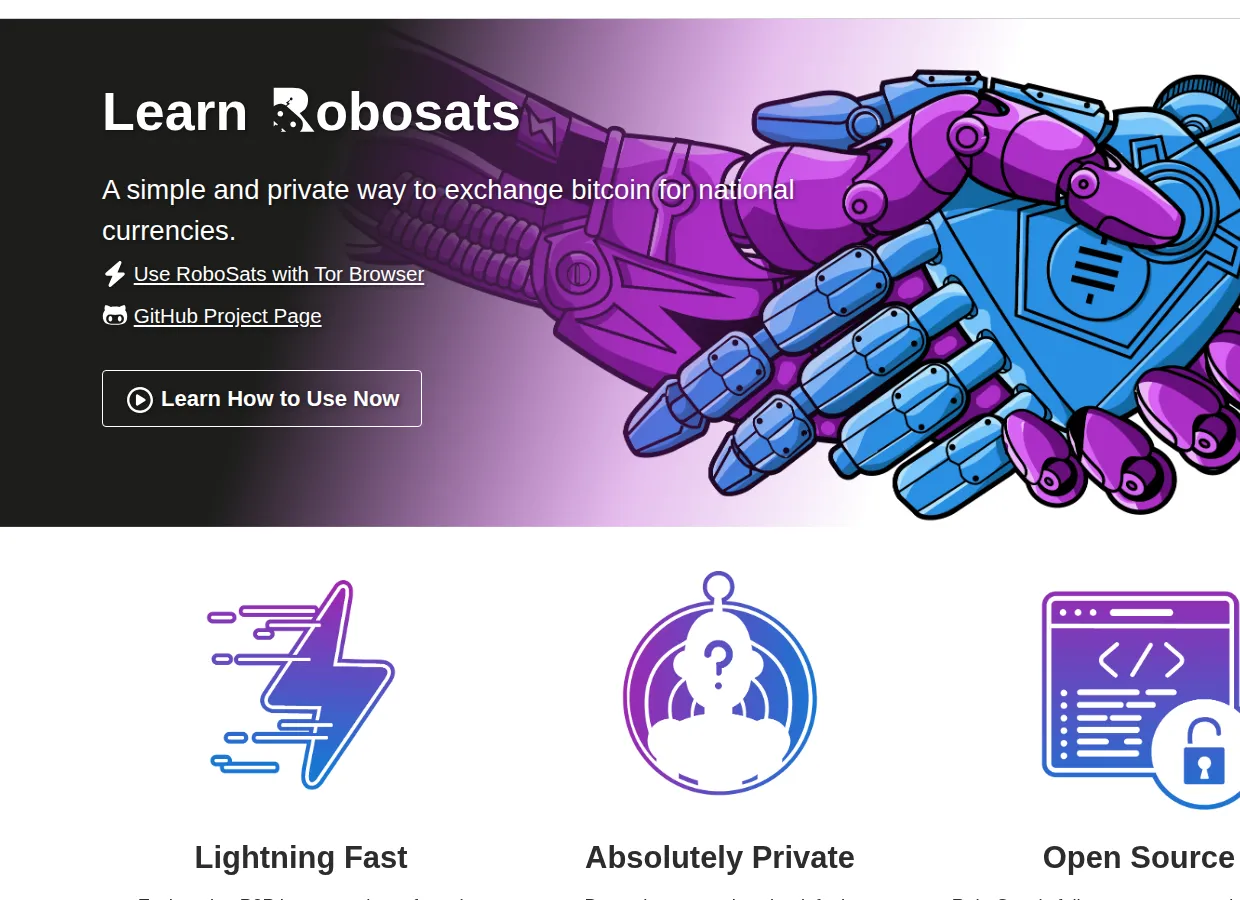
RoboSats documentation - the P2P acquisition model that replaces the KYC exchange hop - source: learn.robosats.com, accessed 2026-10-04Stealth addresses and ring signatures on the chain - the operator layer unchanged
Live values from our database - details and caveats in each review. "-" = not documented by the operator. "Visit" links may be affiliated.
What XMR does and does not protect
The protocol's properties are real [1] [2]:
Stealth addresses. Recipients are not visible on-chain - there is
no address-reuse linkage problem because there are no public addresses to reuse.
Ring signatures. Senders are hidden in decoy sets; amounts are
hidden by construction.
What the asset cannot protect: the operator layer. The book logs your session (IP, device, behavior), applies its KYC tier on triggers, and runs payout reviews with the same discretion as every offshore operator [6]. The no-KYC hub documents the trigger ladder - the XMR lane changes the chain-side story, not the operator-side one.
The acquisition bottleneck
Getting XMR without a KYC exchange is the lane's real cost:
P2P markets. The escrow-based trade model (RoboSats-class
infrastructure, XMR variants) [8] - slower, price-premium, but no exchange hop.
Swap services. Non-custodial BTC-to-XMR swaps - convenience with
their own trust model and chain-analysis surface on the BTC side.
Direct trades. Community routes - the highest-friction, lowest-
paper-trail option.
The buy-BTC guide documents the acquisition patterns with their operational-security costs; the same discipline applies, scaled up.
Sizing and the exit
XMR's float is mild; the sizing questions are the operator's, not the asset's. The exit runs back over the same rail - self-custody wallet first. The lane's honest comparison axes are narrow with a minimal population: KYC tier, payout evidence, red-flag file. The book-check tool assembles the per-operator dossier before you fund anything.
Warnings
The delisting trend is real. Any XMR support claim should carry a
date - the reviews and the books table track the current state; stale affiliate lists do not.
The operator layer is unchanged. XMR does not soften KYC triggers,
session logging or payout discretion [6] - the no-KYC hub is the honest companion page.
The acquisition cost. The no-KYC acquisition hop is the lane's
price - budget it honestly before choosing this lane over the BTC alternatives.
Exchange-side XMR is the constraint. Even with a supportive book,
the exit to fiat via XMR runs through exchanges that increasingly delist it - plan the off-ramp before depositing.
The delisting history, as context
XMR's lane shrank through deliberate operator decisions across the industry - compliance pressure, liquidity-service risk and banking exposure all pushed major brands off the privacy coin. The books that still document XMR carry their dated coin facts in the reviews; the pattern to watch is simple: support claims without dates are pre-delistings.
The industry context matters for the exit plan as much as the entry: fiat off-ramps for XMR narrow with the same trend - exchange delistings continue across the regulated world. The honest positioning: the XMR lane is a chain-privacy play with a rising acquisition cost, a stable operator cost (the same offshore risks as every book), and a narrowing off-ramp. Price all three before choosing it over the BTC-lane alternatives.
The BTC-lane privacy comparison, honestly
The two lanes protect different layers, and the comparison decides which one serves which priority:
Chain layer. XMR wins structurally - no addresses, no amounts,
no linkage [1] [2]. BTC's chain is public; the wallet-hygiene practices (fresh addresses, wallet separation [7]) manage the exposure rather than eliminate it.
review discretion apply to both [6]. The no-KYC hub is the shared document.
Acquisition layer. XMR costs more (P2P/swap premium); BTC's
no-KYC routes are the wider infrastructure [8].
Off-ramp layer. BTC's off-ramps are deeper; XMR's are narrowing.
The honest recommendation structure follows the priorities: chain privacy first and willing to pay for it - the XMR lane at its carriers. Practicality first - the BTC lane's no-KYC routes with the wallet hygiene practices.
The XMR cashier reality, per book
With a minimal population, the per-book facts carry the page:
Coin-list status. XMR sits in the documented lists of its
carriers - with dates; support claims without dates are pre-delistings.
Minimums and credit policy. XMR blocks credit fast; operator
policy adds the wall clock - the reviews document both.
The KYC tier. Same ladder as every asset [6] - the asset does
not soften the operator layer.
The exit symmetry. Both books support XMR withdrawals - the
self-custody wallet is the standard exit.
Common failure patterns in the XMR lane
The anonymity overreach. Chain privacy is not account privacy -
the operator's session and KYC layers are the identity surface [6].
The stale-list trust. Affiliate-era XMR claims for books that
delisted - the books table's live coin facts are the instrument.
The off-ramp assumption. Exit-to-fiat via XMR runs through
venues that delist it - plan the exit before the entry.
The XMR acquisition routes, ranked
The bottleneck deserves its own map, because it is the lane's entry cost:
P2P markets with escrow. The RoboSats-class model [8] - XMR
variants exist; the escrow and arbitration structure is the trust model, the price premium is the cost.
Non-custodial swaps. BTC-to-XMR swap services - the convenient
middle: no exchange account, but a service-trust surface on the swap itself and chain-visibility on the BTC side.
Community direct trades. The highest-friction, lowest-trail
option - the operational-security cost is real and documented in the acquisition guides.
The honest sizing: the acquisition premium is per-hop, which makes it a per-session cost at session-sized play - and a structural argument for the BTC lane at every casual scale. The XMR lane rewards committed privacy priorities, not convenience. The per-hop premium also means the lane punishes frequent small funding the BTC routes never feel - the deposit cadence is part of the lane's cost structure, and the session plan prices it before the first acquisition.
The view-key note, one paragraph
XMR wallets manage privacy with a different key model than UTXO coins: view keys let auditors (or you, on a second device) watch incoming transactions without spending power [2]. The practical betting consequence: keep the spend key on your primary device, and treat view-key sharing as the equivalent of reading your own statement - useful for accounting, never something the book needs. The restore-height concept matters for wallet recovery - note it at wallet creation, the same discipline as recording a BTC seed phrase.
The lane's workflow carries the acquisition cost front-loaded:
Acquire. The P2P or swap route from the acquisition section -
the premium and the operational-security cost are the lane's entry fee.
Self-custody wallet. XMR wallets manage their own view keys -
the address-reuse problem does not exist; the wallet hygiene is different (restore heights, view-key handling) [1] [2].
Deposit. The cashier's XMR address credits after operator
policy - fast per block, operator-variable in wall clock.
Play and exit. Withdrawals return to self-custody on the same
rail - the off-ramp question (fiat conversion) is the lane's narrowing constraint, planned before entry.
The XMR-lane trust checklist
The checklist is short and load-bearing:
The dated coin fact. XMR in the documented list, with a date -
the books table carries the live state.
The KYC tier. Same ladder as every asset [6] - read the
review's tier before assuming the asset changes anything.
The red-flag file. The lane's books carry their flags - one
carries a documented Anjouan renewal watch - read before funding.
The payout evidence. The community record and the review's
payout sections - the operator risk is the same offshore risk every lane carries.
The exit plan. The off-ramp question from the delisting
section, decided in writing before the first deposit.
The delisting trend as a standing risk. XMR support is a
shrinking population - the reviews' dated coin facts are the instrument, and any support claim without a date is treated as a pre-delisting.
Where to go next
The books table carries the live coin facts per operator; the buy-BTC guide maps the acquisition routes, and the vpn guide documents the session layer the asset does not cover.
The tracked population is minimal - the lane shrank as major brands dropped XMR. This page keeps the honest count instead of repeating affiliate lists; the per-review coin facts carry the dates.
What does XMR actually protect?
The chain: stealth addresses hide recipients, ring signatures hide senders, amounts are hidden [1] [2]. There is no address-reuse linkage problem because addresses are not visible. What it does not protect: the operator's session logs, KYC tier and payout review - the book still sees your account activity.
Why did books drop XMR?
Compliance pressure and liquidity - the privacy coin's delisting trend across the industry is documented across the sector's histories. The remaining carriers' reviews carry their dated coin facts.
How do I acquire XMR without a KYC exchange?
P2P markets and swap services - the acquisition routes in the buy-BTC guide map the P2P escrow models; XMR-specific routes sit in the same family. The bottleneck is real: this is the lane's practical cost.
Is XMR deposit faster or slower than BTC?
Comparable to slightly faster per block, with network-dependent operator credit policy. The wall-clock difference is minor next to the acquisition bottleneck.
Do XMR books run KYC?
Same tiers as every coin - the asset does not change the operator's policy. The KYC facts per review name the tier; the no-KYC hub documents the trigger ladder.
Does XMR remove the need for VPN/Tor opsec?
No - the session layer is separate from the asset layer. The VPN guide's operational details (DNS leaks, fingerprints, behavioral consistency) apply unchanged [6].
Can I withdraw XMR to any wallet?
To any XMR wallet you control - self-custody is the point. Exchange-side XMR support is the constraint, not the book side.
Is the XMR lane worth the friction?
If chain-level privacy is your priority and the acquisition cost is acceptable - yes, for the books that carry it. If not, the no-KYC BTC routes in the buy-BTC guide are the practical alternative.
How do I compare the XMR books fairly?
The population is minimal - compare on KYC tier, payout evidence and the review's red-flag file. The book-check tool assembles the dossier per operator.